Afrobeats' Global Takeover in 2026: How the Sound Conquered the World
If 2024 felt like Afrobeats was knocking on the door of global pop culture, 2026 is the year it kicked the door down. From sold-out arenas in London and New York to festival main stages once reserved for Western pop and rock acts, the genre born in Lagos has become one of the most influential sounds in music today — and it's no longer standing alone.
The Sound Is Splitting Into Something Bigger
What started as a fairly contained West African movement has fractured into a handful of exciting sub-movements, each pulling Afrobeats in a different direction while keeping its core DNA intact.
Amapiano's log drum is everywhere. What began in the underground clubs of Johannesburg has become the secret ingredient producers reach for worldwide — that deep, percussive "thud" is now showing up in K-Pop, UK drill, and half the songs on your For You page, whether listeners realize the source or not.
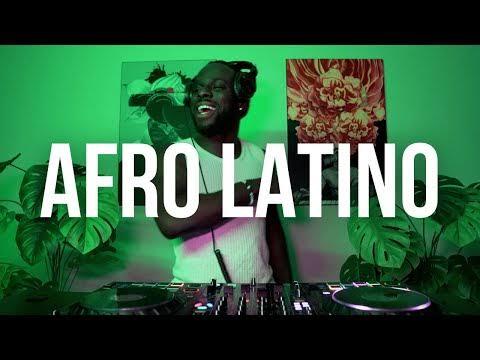
Afro-Latino fusion is having a moment. Afrobeats and reggaeton have always felt like musical cousins — similar rhythmic DNA, similar emotional register. In 2026, that kinship has turned into full collaboration, with West African and Latin American artists trading verses across languages and proving the groove translates even when the lyrics don't.
A new lane called "AfroTronica" is emerging. This one blends the continent's organic percussion with glitchy, high-octane electronic production — moody, stripped-back, and increasingly favored by DJs looking to move past the standard four-to-the-floor house formula.
Why This Matters for Nigerian Artists
The upside of this fragmentation is bigger reach. Nigerian acts are no longer just exporting a genre — they're co-authoring new ones alongside artists from South Africa, Ghana, the UK, and Latin America. That means more collaborations, more chart crossovers, and more opportunities for the next generation of street-pop and Afro-fusion artists to break out internationally.
The flip side is that "Afrobeats" as a single, tidy category is getting harder to define. Genre lines are blurring fast enough that a single playlist can now hold a street-pop chant record, an amapiano-leaning club track, and a soulful Afro-fusion ballad — and all of it still gets filed under the same umbrella.
The Bottom Line
Afrobeats in 2026 isn't a moment — it's infrastructure. It's shaping how other genres sound, who headlines major festivals, and which producers get called into sessions across continents. The story worth watching for the rest of the year isn't whether Afrobeats stays big. It's which of these new sub-sounds — Amapiano-driven, Afro-Latino, or AfroTronica — ends up defining the next chapter.

Leave a comment
Your email address will not be published. Required fields are marked *