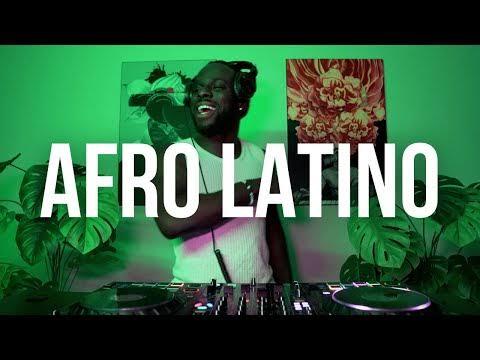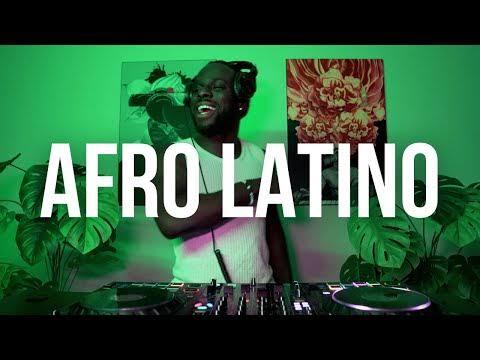
Inside the Afro-Latino Sound Taking Over 2026
Afrobeats has always shared a rhythmic bloodline with reggaeton — both genres lean on syncopated percussion, both prioritize groove over complexity, and both were built for dancing first, everything else second. In 2026, that shared DNA has evolved from a passing resemblance into a full-blown collaborative movement, with West African and Latin American artists actively trading verses across the language barrier.
A Borderless Sound
The most talked-about example of this crossover has been collaborations pairing Afrobeats heavyweights with Latin stars — Yoruba and Spanish verses sitting side by side on the same track, no translation required to feel the groove. It's a sound that feels equally at home in a Lagos club as it does at a beach party in Puerto Rico, which is exactly the point.
This isn't a novelty pairing designed for a viral moment. It reflects something deeper: audiences on both sides of the Atlantic have been primed for years by the global rise of both genres independently, and now that the two worlds are actively colliding, the results are landing on official charts rather than staying niche.
Why It's Working
A few things are driving the fusion's momentum:
Rhythmic compatibility. Reggaeton's dembow rhythm and Afrobeats' syncopated log-drum-driven percussion sit naturally on top of each other, making the blend feel organic rather than forced.
Streaming-era discovery. Playlist culture has made it easier than ever for fans of one genre to stumble into the other, softening the language barrier that might once have limited crossover appeal.
Shared emotional register. Both genres traffic heavily in themes of celebration, romance, and resilience — meaning a listener doesn't need to understand every lyric to connect with the feeling of the record.
What This Means Going Forward
For Nigerian artists, the Afro-Latino wave represents another expansion of reach beyond the UK and US markets that have traditionally been the focus of crossover strategy. Latin America represents a massive, largely untapped audience for Afrobeats acts willing to experiment with cross-genre collaboration.
Expect more of these pairings as the year continues — and don't be surprised if some of 2026's biggest crossover hits end up being ones that blend Yoruba, Pidgin, and Spanish in the same three minutes.

Leave a comment
Your email address will not be published. Required fields are marked *