
Walking into a phone accessories aisle or scrolling through an online store reveals dozens of case options at wildly different price points, all claiming to offer protection. Most people end up choosing based on appearance or price alone, without much understanding of what actually determines whether a case will protect a phone during a real drop versus just looking protective while doing very little.
**Understand drop rating claims, and their real limits**
Many cases advertise a specific drop rating, like "protects against drops from six feet." These ratings come from controlled lab testing under specific conditions — typically dropping onto a flat, hard surface at a particular angle. Real-world drops rarely happen under these ideal conditions; they involve corners hitting first, uneven surfaces, or drops from unpredictable angles and heights. A drop rating is a useful general indicator of a case's engineering quality, but it shouldn't be treated as a literal guarantee for every possible real-world scenario.
**Corner protection matters more than overall case thickness**
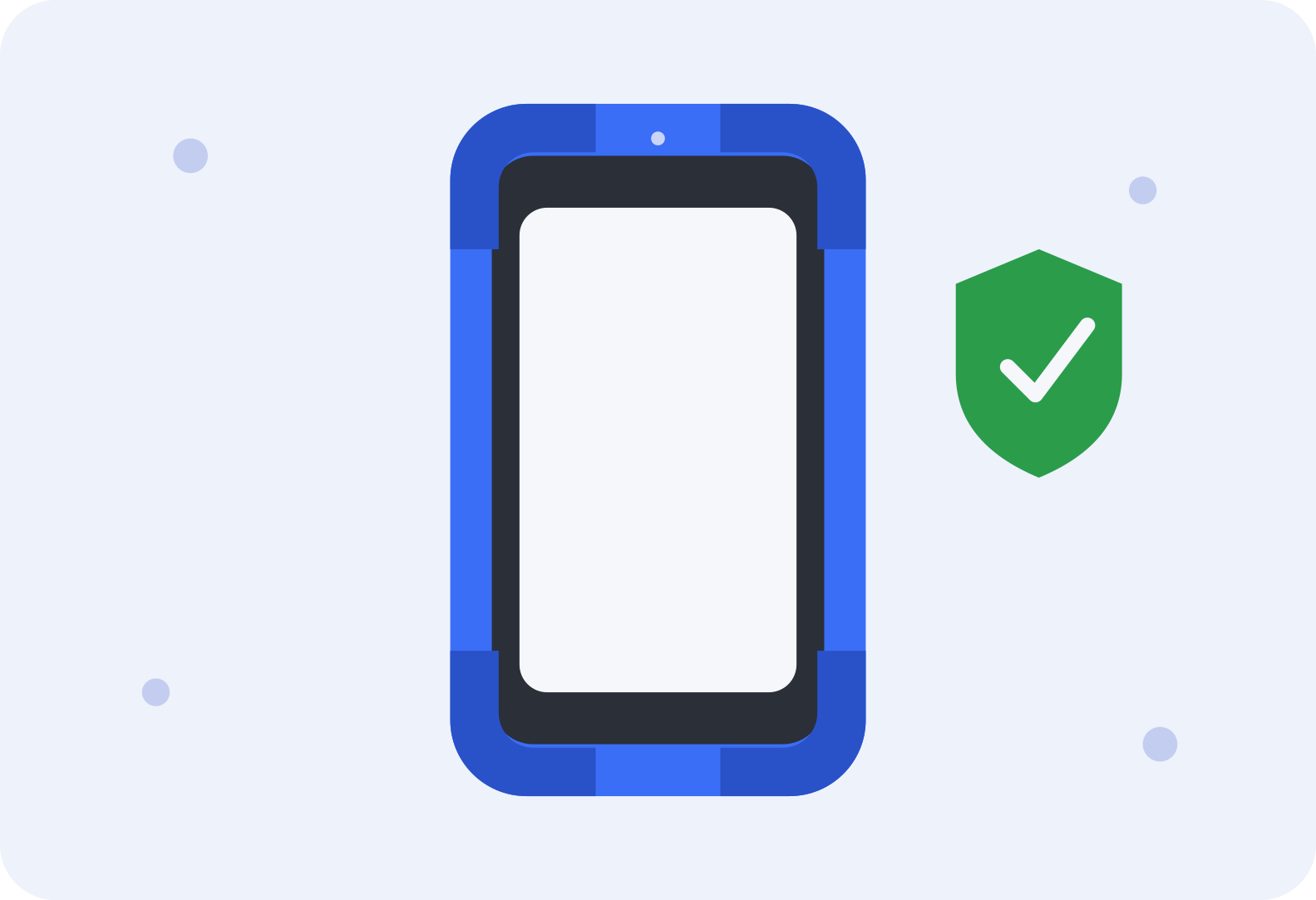
Phones overwhelmingly tend to land on a corner when dropped, since corners are the parts most likely to make first contact with the ground given how phones naturally fall and how people tend to hold them. A case with reinforced, raised corners — even if the rest of the case is relatively thin — often provides better real protection than an evenly thick case with no special corner reinforcement, since the corners are absorbing the vast majority of actual impact in typical drops.
**Raised edges around the screen prevent a surprisingly common type of damage**
A case with edges that sit slightly raised above the screen's surface creates a small gap that keeps the screen from making direct contact when the phone is placed face-down on a rough or gritty surface — a genuinely common cause of scratches that has nothing to do with drops at all. This detail is easy to overlook when comparing cases, but it addresses a different, more mundane category of damage than drop protection alone.
**Screen protectors and cases serve different, complementary purposes**
A case protects the body and edges of the phone; a screen protector specifically protects the display surface from scratches and adds some additional impact resistance to the screen itself. Relying on just one or the other leaves a meaningful gap in protection — a phone with a great case but no screen protector remains vulnerable to scratches from keys, coins, or rough surfaces in a pocket or bag, while a great screen protector with no case still leaves the phone's body and edges unprotected during a drop.
**Tempered glass generally outperforms plastic film protectors**
Between the two common types of screen protectors, tempered glass tends to offer noticeably better scratch and impact resistance than thin plastic film alternatives, though it typically costs more and can be slightly thicker. For most people, the added protection is worth the modest price difference, particularly since a cracked tempered glass protector is specifically designed to absorb impact and crack instead of the actual screen underneath, effectively sacrificing itself to protect the more expensive component.
**Consider your actual lifestyle, not just the most protective option available**
The maximum protection case — often bulky, heavy, with thick rubberized bumpers — makes sense for certain lifestyles (construction work, frequent outdoor activity, a genuine history of dropping phones) but represents real overkill for someone who mostly uses their phone at a desk or in generally careful, controlled environments. Being honest about your actual risk profile, rather than defaulting to either extreme, tends to produce a better balance between protection and daily usability.
**Wireless charging compatibility is worth checking before buying**
Some thicker or metal-containing cases can interfere with wireless charging, either weakening the charge speed or blocking it from working properly. If wireless charging is something you rely on regularly, checking a case's compatibility before purchasing, rather than discovering the problem afterward, saves an unnecessary return or a frustrating daily inconvenience.
**Replace worn cases, since damaged protection isn't the same as no protection, but it's close**
A case that's cracked, has come loose at the corners, or has significantly degraded rubber over time provides considerably less real protection than a fresh case, even though it might still look reasonably intact at a glance. Periodically checking your case's actual condition, rather than assuming it's still fully protective simply because it's still technically on the phone, catches this kind of silent degradation before an otherwise survivable drop becomes a real problem.
**The bottom line**
Real phone protection comes down to a few specific, checkable details — reinforced corners, raised screen edges, a genuine screen protector paired with the case rather than relying on either alone — rather than simply choosing the thickest, most expensive-looking option available. Matching your protection level honestly to your actual lifestyle and risk profile, rather than either extreme, tends to produce the best balance between genuine protection and a phone that's still pleasant to actually use day to day.

Leave a comment
Your email address will not be published. Required fields are marked *