"AI agent" has become one of the more overused phrases in tech discussion lately, applied to everything from simple automated email responders to genuinely sophisticated systems that can complete multi-step tasks independently. This inconsistency makes it hard to know what people actually mean when they use the term, and understanding the real distinction matters if you're trying to figure out whether a specific tool might actually be useful for something you need done.
**The core difference: responding versus acting**
A traditional chatbot, even a sophisticated AI-powered one, primarily does one thing: it responds to what you type with relevant text. You ask a question, it generates an answer. The conversation happens entirely within that back-and-forth exchange, and the chatbot itself doesn't take any action beyond producing a response.
An AI agent, by contrast, is designed to actually complete tasks that involve multiple steps and often interact with other systems or tools along the way, rather than just producing a text response. Instead of simply telling you how to book a flight, an agent might actually search available flights, compare options against your stated preferences, and complete the booking process, checking in with you at key decision points rather than just describing the process back to you.
**Agents can use tools; chatbots typically can't**
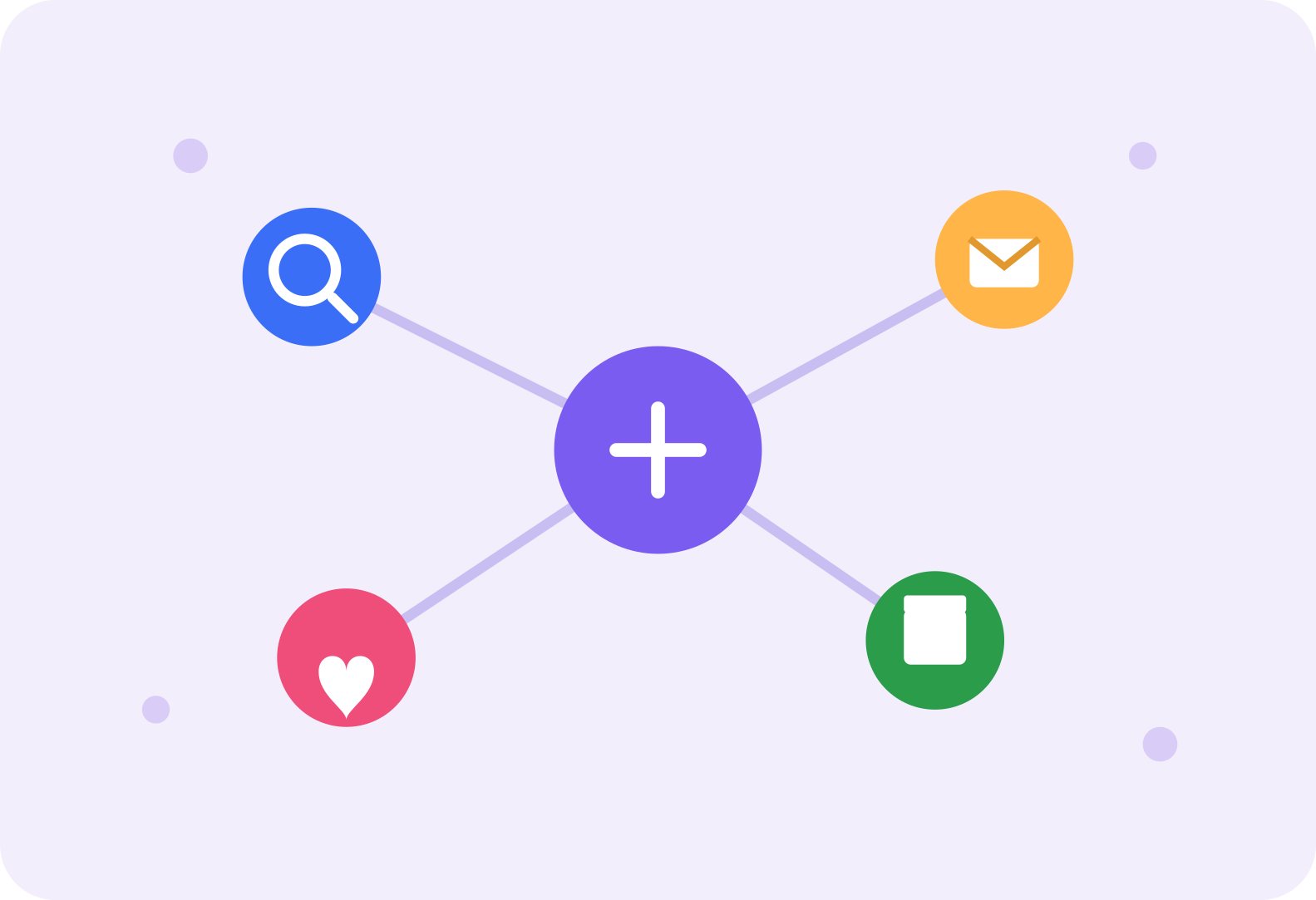
One of the clearest practical distinctions is that agents are generally built to interact with external tools and systems — searching the web, running calculations, accessing databases, sending emails, or interacting with other software — as part of completing a task. A standard chatbot conversation stays contained within the chat interface itself; an agent actively reaches outside that conversation to gather information or take real action, then reports back on what it found or accomplished.
**Agents can break a goal into steps and adjust as they go**
Rather than requiring you to specify every individual action, agents are designed to take a broader goal — "find me the best flight for this trip and book it within my budget" — and independently figure out the necessary sequence of steps to accomplish it, adjusting along the way if something doesn't go as expected (a flight sells out, a price changes). This is meaningfully different from a chatbot, which generally responds to exactly what you ask in a given moment, without independently planning out a multi-step sequence toward a broader goal.
**Where agents currently work well, and where they still struggle**
Agents tend to perform reliably on tasks with clear, well-defined steps and low ambiguity — searching for specific information across multiple sources, filling out structured forms with known information, performing a defined sequence of actions within a single application. They still struggle more with tasks requiring significant judgment calls, ambiguous situations without a clear correct path, or scenarios where the consequences of a mistake are serious enough that independent action carries real risk.
**Why this distinction matters practically**
If you're evaluating a tool marketed as having "AI agent" capabilities, understanding this distinction helps you judge what you're actually getting. A tool that simply answers questions more conversationally is still fundamentally a chatbot, regardless of marketing language. A tool that can actually complete multi-step processes on your behalf, interacting with other systems and adjusting its approach along the way, represents a genuinely different category of capability, and it's worth understanding which one you're actually dealing with before assuming a tool can do more (or less) than it actually can.
**The current state involves meaningful human oversight, not full autonomy**
Despite the more ambitious framing sometimes used to describe AI agents, most currently available agent systems are designed to check in with a human at key decision points, particularly for anything involving real-world consequences like spending money or sending communications on someone's behalf, rather than operating with complete independence. This isn't a limitation so much as a deliberate safety measure, since fully autonomous action without any human checkpoint carries meaningfully more risk if something goes wrong partway through a task.
**What to actually watch for as this technology develops**
The gap between "chatbot that sounds helpful" and "agent that reliably completes real tasks" is still closing gradually rather than having already fully arrived, and marketing language often runs ahead of actual current capability. Evaluating a specific tool by what it's actually demonstrated doing, rather than by how ambitiously it's described, remains the most reliable way to understand what you're actually working with at any given point.
**The bottom line**
The distinction between a chatbot and an AI agent comes down to whether a system simply responds with information or actually takes multi-step action toward a broader goal, often interacting with other tools and systems along the way. Understanding this difference helps cut through marketing language that sometimes stretches the term "agent" to describe tools that are still, functionally, conversational responders rather than genuinely autonomous task-completers.

Leave a comment
Your email address will not be published. Required fields are marked *