Lagos Fanti Carnival Celebrates Nigeria’s Afro-Brazilian Heritage
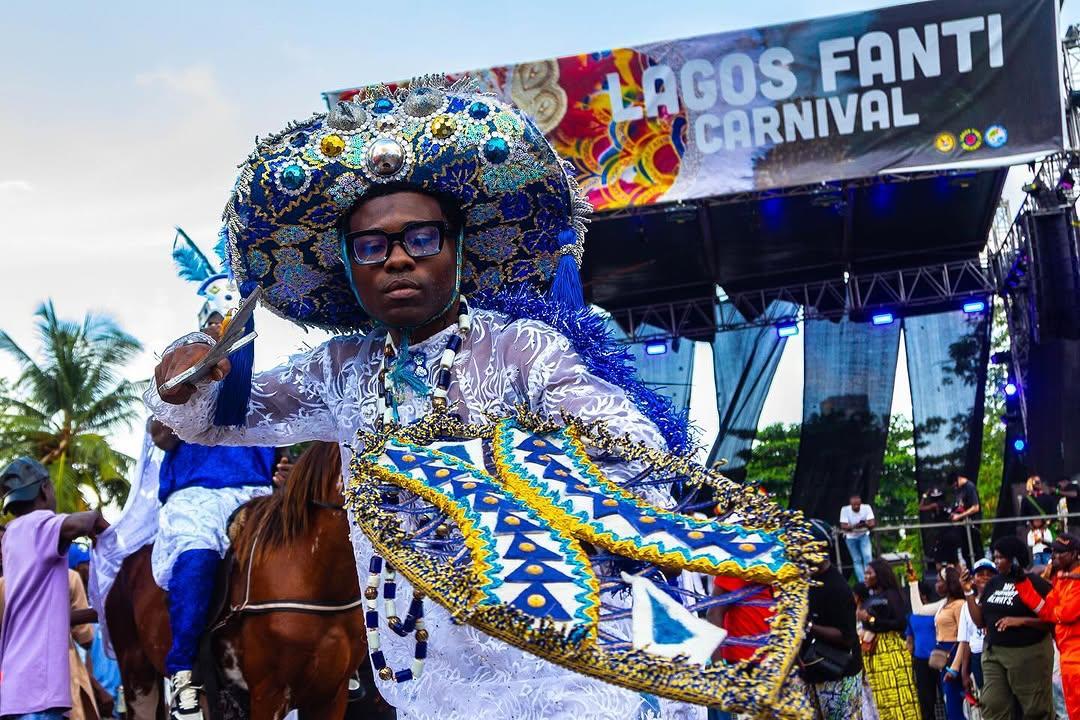
Colourful costumes, music, dancing and large crowds once again filled Lagos during the annual Fanti Carnival, a celebration of the city's Afro-Brazilian heritage.
The carnival brings attention to the history of the Aguda community, descendants of formerly enslaved Africans who returned to West Africa from Brazil during the 19th century.
A Celebration of History
The Fanti Carnival is more than a colourful street celebration.
It represents a connection between Nigeria, Brazil and the wider history of the African diaspora.
The 2026 edition was held under the theme “A Homecoming of Heritage”, highlighting the importance of remembering the cultural links created through migration and history.
Music, Fashion and Dance
Participants dressed in elaborate costumes and took part in colourful processions.
Music and dance were major parts of the celebration, while traditional Yoruba and Afro-Brazilian influences could be seen throughout the event.
Different generations participated, showing how the history of the Aguda community continues to be passed on.
Keeping Cultural History Alive
Events such as the Fanti Carnival provide an opportunity for younger people to learn about parts of Nigerian history that may not always receive attention in everyday life.
The carnival also demonstrates how cultures can influence one another while maintaining their own identities.
The 2026 celebration brought together thousands of people in Lagos, with the procession culminating at Tafawa Balewa Square.
Culture Beyond Entertainment
Cultural festivals can also contribute to tourism and create opportunities for performers, artists, designers, food vendors and other creative workers.
They provide a platform where history can be presented through experiences that people can see, hear and participate in.
Final Thoughts
The Fanti Carnival is a reminder that Nigerian culture has been influenced by centuries of movement, exchange and interaction.
By celebrating its Afro-Brazilian heritage, the event keeps an important part of Lagos history visible for future generations.
Source: Associated Press.

Leave a comment
Your email address will not be published. Required fields are marked *