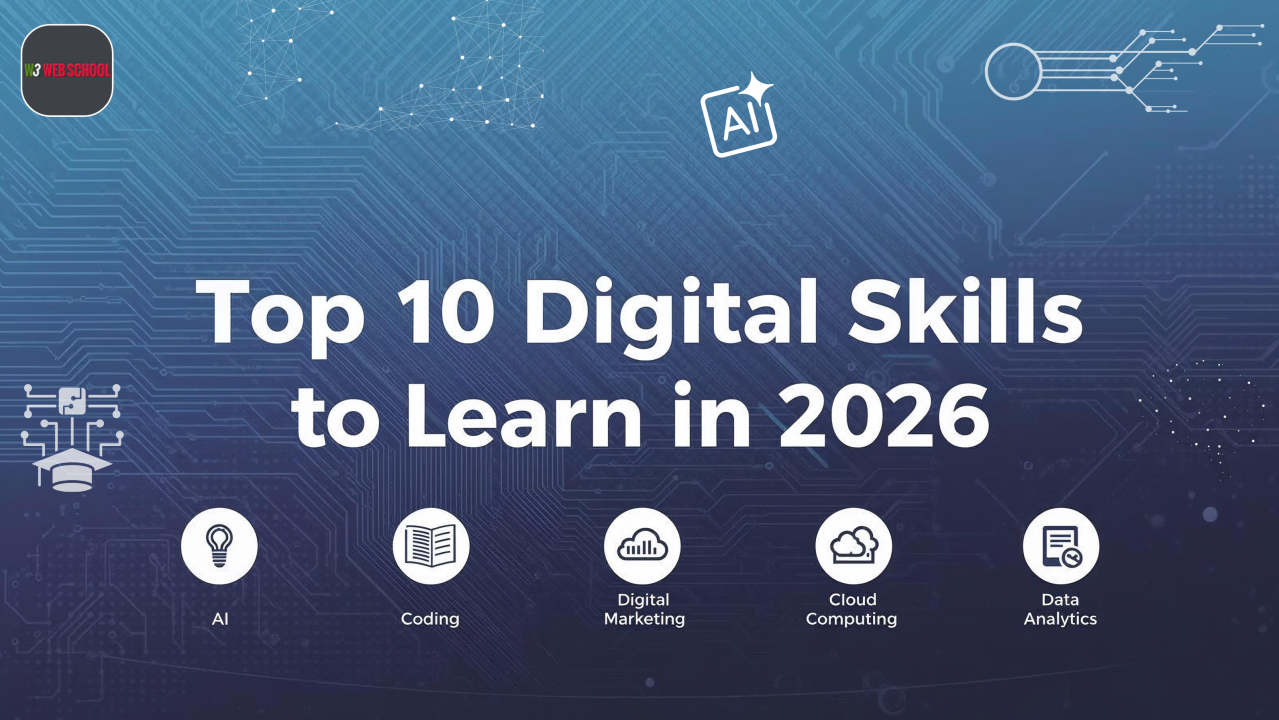
In 2026, having good digital skills is no longer optional. Whether you’re a student trying to keep up with assignments or a job seeker trying to look capable to employers, the way you use technology can make a real difference.
The good news? You don’t need to become a tech expert. You just need a solid set of practical skills that help you work faster, communicate better, and look professional. This guide covers the essential digital skills that matter most right now — explained in a simple way.
### 1. Confident Computer Basics
Before anything else, you should feel comfortable with the basics:
- Creating, saving, and organizing files and folders
- Using keyboard shortcuts (Ctrl + C, Ctrl + V, Ctrl + Z, etc.)
- Managing downloads and uploads
- Connecting to Wi-Fi and troubleshooting simple problems
- Using a cloud storage system so your files don’t get lost
These sound basic, but many people still struggle with them under pressure. Mastering these small things makes everything else easier.
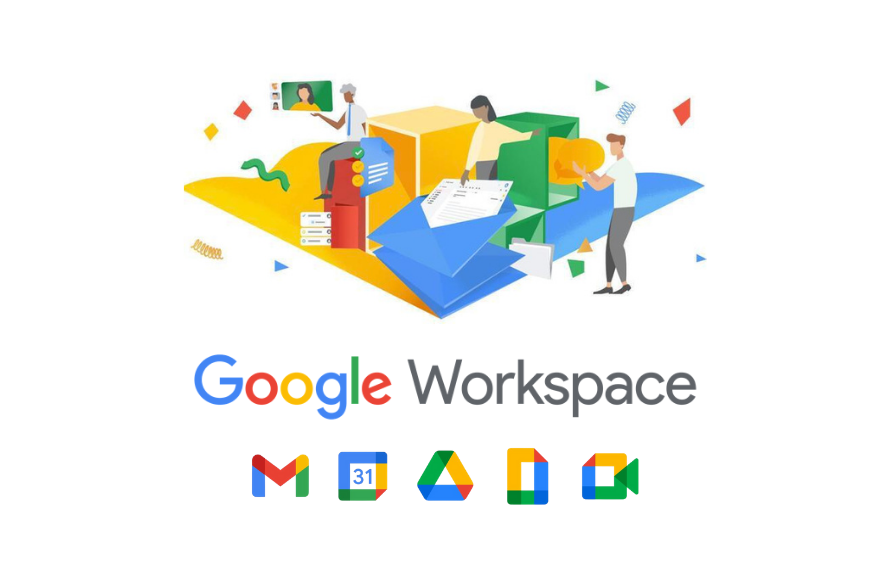
### 2. Google Workspace (Especially Docs, Sheets & Drive)
Google tools are everywhere — in schools, universities, and many workplaces.
**Key skills to learn:**
- **Google Docs**: Writing and formatting documents, sharing files, leaving comments, and working with others in real time
- **Google Sheets**: Simple tables, basic formulas (SUM, AVERAGE), sorting data, and creating clean spreadsheets
- **Google Drive**: Organizing files in folders, sharing with the right permissions, and accessing your work from any device
- **Gmail**: Writing clear emails, using labels, and managing your inbox
If you can comfortably create a well-formatted document, share it properly, and organize your files in Drive, you’re already ahead of many people.
### 3. Microsoft Office Skills (Still Very Useful)
Even though Google tools are popular, Microsoft Word, Excel, and PowerPoint are still widely used, especially in offices and formal environments.
Focus on:
- **Word**: Professional formatting, headings, page numbers, and clean layouts
- **Excel**: Basic formulas, tables, charts, and organizing data
- **PowerPoint**: Creating simple, clear presentations that don’t look messy
You don’t need to be an advanced Excel expert. Knowing how to make clean documents and simple spreadsheets is enough for most student and entry-level job situations.
### 4. Effective Online Communication
How you write emails and messages matters more than many people realize.
Important habits:
- Writing clear and polite emails
- Using a proper subject line
- Keeping messages short and organized
- Knowing when to use formal vs casual language
- Attaching files correctly and naming them properly
Also learn how to behave professionally on platforms like LinkedIn, Zoom, and Google Meet. Simple things like muting yourself when not speaking, using a clean background, and being on time make a strong impression.
### 5. File Management and Organization
A lot of stress comes from not being able to find your own files.
Good habits include:
- Using clear folder names (e.g., “School – 2026”, “Job Applications”, “CV & Documents”)
- Giving files proper names instead of “document1” or “finalfinal2”
- Keeping important documents in cloud storage (Google Drive or OneDrive)
- Regularly deleting or archiving old files
This skill saves time and makes you look organized when sharing work with teachers or employers.
### 6. Basic Online Research Skills
Anyone can Google something. Doing it well is different.
Useful abilities:
- Choosing good search terms
- Checking if a source is reliable
- Using tools like Google Scholar for academic work
- Avoiding plagiarism by properly summarizing and referencing
- Quickly finding official information (government sites, company career pages, etc.)
Strong research skills help with assignments and also with preparing for interviews or learning about companies.
### 7. Understanding AI Tools (Without Depending on Them Completely)
In 2026, tools like ChatGPT and other AI assistants are common. The smart approach is to use them as helpers, not replacements for your own thinking.
Good uses include:
- Brainstorming ideas
- Improving your writing
- Explaining difficult topics simply
- Checking grammar and clarity
- Preparing for interviews
Avoid simply copying AI answers for assignments or job applications. Employers and teachers can often tell, and it doesn’t help you learn.
### 8. Digital Safety and Privacy Basics
You should know how to:
- Create strong, unique passwords
- Use a password manager
- Recognize common online scams and phishing emails
- Adjust privacy settings on social media
- Avoid oversharing personal information
These skills protect you and also show maturity — something employers notice.
### 9. Creating Simple but Professional Visuals
You don’t need to be a designer, but you should be able to:
- Make clean presentation slides
- Use free tools like Canva for simple graphics
- Resize and save images properly
- Create a basic digital CV or portfolio that looks neat
A tidy visual presentation often leaves a better impression than a messy one, even if the content is similar.
### 10. Willingness to Keep Learning
Technology changes. The most valuable digital skill is the ability to learn new tools quickly.
When you face a new platform or software:
- Watch a short tutorial
- Explore the main features
- Practice with a small real task
This attitude is highly valued by employers.
### How to Start Improving These Skills
You don’t need to learn everything at once. Here’s a simple plan:
1. Master Google Docs + Drive properly
2. Practice writing clear emails
3. Learn basic Excel or Google Sheets formulas
4. Organize your files cleanly
5. Start using one AI tool wisely
6. Improve your LinkedIn or email communication
Even improving 3–4 of these areas will already make a noticeable difference in your studies and job search.
### Final Thoughts
Digital skills are not about knowing every app or becoming a programmer. They’re about being able to work smoothly, communicate clearly, and handle everyday technology without stress.
Students and job seekers who develop these practical skills usually find it easier to complete assignments, collaborate with others, and present themselves professionally to employers.
Start with the basics, practice them regularly, and build from there. Consistent small improvements will take you further than trying to learn everything in one week.

Leave a comment
Your email address will not be published. Required fields are marked *