What Is ChatGPT and What Can You Actually Use It For?
If you have spent any time online recently, there is a good chance you have heard someone mention ChatGPT.
Students use it to understand difficult subjects. Business owners use it to brainstorm ideas. Developers use it to work through programming problems. Writers use it to organize their thoughts. Some people simply use it to ask questions they would normally search for online.
But despite its popularity, many people still aren't sure what ChatGPT actually is—or what they can realistically use it for.
So let's start with the simple explanation.
What Is ChatGPT?
ChatGPT is an AI-powered conversational assistant developed by OpenAI.
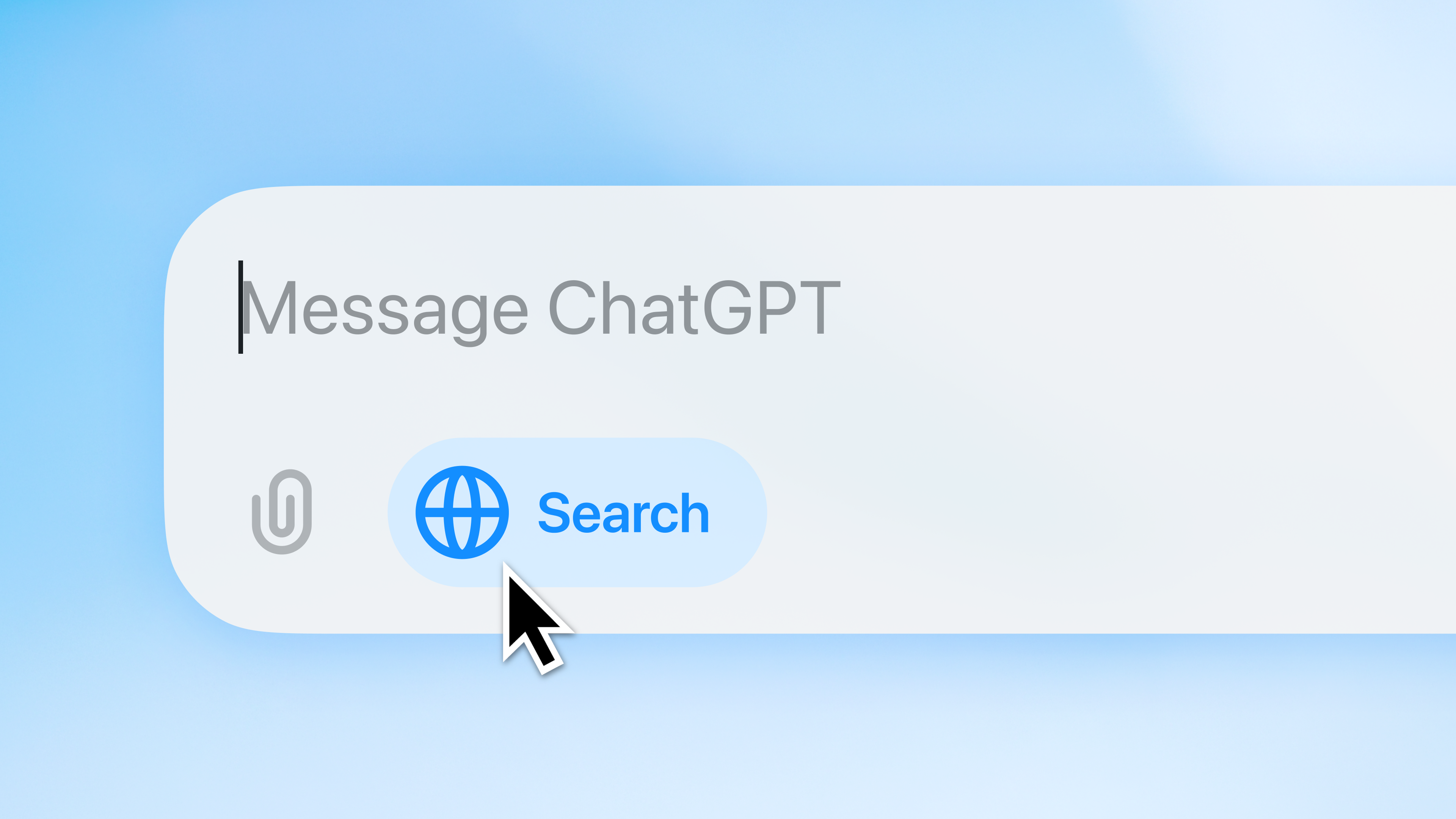
You interact with it by typing a request, question, or instruction, commonly called a prompt. ChatGPT then generates a response based on the information and patterns it has learned.
Unlike a traditional search engine, which primarily returns a list of webpages, a conversational AI can generate an answer directly and continue a conversation based on your follow-up questions.
For example, instead of searching:
«“Benefits of exercise”»
you could ask ChatGPT:
«“Explain the benefits of exercise in simple language for someone who has never worked out before.”»
You can then ask another question based on its answer.
That conversational approach is one of the reasons ChatGPT became so popular.
How Does ChatGPT Work?
The technology behind ChatGPT is based on large AI models trained using large amounts of data.
These models learn statistical patterns in language and can use those patterns to generate responses to prompts.
One important thing to understand is that ChatGPT doesn't simply work like a digital encyclopedia containing a perfect answer to every question.
It generates responses based on the capabilities of the particular model and the information available to it.
As a result, ChatGPT can sometimes be wrong.
That is something every new user should understand from the beginning.
What Can You Use ChatGPT For?
The possibilities are broad, but you don't need complicated prompts to get started.
Here are some practical uses.
1. Learning Difficult Topics
One of the best uses for ChatGPT is asking it to explain something you don't understand.
Instead of simply asking:
«“What is programming?”»
you can be more specific:
«“Explain programming to me like I'm a complete beginner and give me a simple example.”»
If the explanation is still confusing, you can ask:
«“Explain it again using an everyday example.”»
That ability to ask follow-up questions makes conversational AI particularly useful for learning.
2. Brainstorming Ideas
Sometimes the hardest part of creating something is coming up with the first idea.
ChatGPT can help you brainstorm:
- Business names
- Blog topics
- Marketing ideas
- Video ideas
- App features
- Content calendars
- Product ideas
- Questions for interviews
You don't have to accept every suggestion it gives you. Think of the AI as a brainstorming partner that can help you explore possibilities.
3. Writing and Editing
ChatGPT can help with writing tasks such as:
- Organizing an article
- Improving sentence structure
- Rewriting unclear text
- Creating outlines
- Checking grammar
- Generating ideas
- Adjusting the tone of a piece of writing
But there is an important difference between using AI to assist your writing and simply publishing whatever it generates.
If you are producing content for a website, you should review, fact-check, edit, and add useful original information rather than treating AI output as finished work.
4. Coding
Developers can use ChatGPT as a programming assistant.
For example, you can ask it to explain an error message, demonstrate how a particular function works, or help you understand unfamiliar code.
A beginner might ask:
«“Explain this JavaScript function line by line.”»
An experienced developer might ask for help identifying a possible cause of a particular error.
However, code generated by AI should be reviewed and tested before being used in a real application.
5. Summarizing Information
When you have a long piece of text, AI can help extract the main ideas.
For example, you could provide a document and ask:
«“Summarize the main points and explain them in simple language.”»
This can save time when you're trying to understand a large amount of information.
The quality of the result still depends on the material provided and the AI system being used.
6. Planning
ChatGPT can also help organize tasks.
You could ask it to create:
- A study schedule
- A learning plan
- A project outline
- A content plan
- A list of tasks for a new business idea
The key is to give it enough information about what you're actually trying to accomplish.
Your Prompt Matters
One of the most useful things beginners can learn is that the quality of your instruction can affect the usefulness of the response.
Compare these two prompts.
Basic prompt:
«“Write about marketing.”»
More useful prompt:
«“I'm a beginner learning digital marketing. Explain five important marketing concepts using simple language and give a practical example for each one.”»
The second prompt gives the AI more context, so it has a clearer idea of what you're looking for.
You don't need to use complicated “magic prompts.”
Just explain what you want clearly.
Can ChatGPT Replace Google?
Not completely.
ChatGPT and search engines serve different purposes.
If you want to find a particular website, locate a business, check a current price, or find the latest breaking news, a search engine or another current information source may be more appropriate.
ChatGPT can be useful when you want an explanation, brainstorming, writing assistance, or an interactive conversation.
In many situations, using both can be better than relying entirely on one.
Can You Trust Everything ChatGPT Says?
No.
This is probably the most important warning for new users.
ChatGPT can produce information that sounds convincing but is incorrect.
It can misunderstand a question, make an inaccurate claim, or provide information that is no longer current.
Therefore, verify important information before acting on it.
This is especially important for:
- Medical information
- Financial decisions
- Legal matters
- Security advice
- Current events
- Technical instructions that could cause damage if performed incorrectly
AI can be extremely useful, but being able to question its output is just as important as knowing how to prompt it.
Is ChatGPT Free?
ChatGPT has offered both free and paid access, although the exact features and limits can change over time.
Free users may have access to a selection of capabilities, while paid plans can provide additional features, models, limits, or tools depending on the plan available at the time.
If you're just learning how to use AI, you don't necessarily need to pay immediately.
Start with the features available to you and decide whether you actually need additional capabilities.
Is ChatGPT Useful for Businesses?
It can be.
A small business could use AI to brainstorm marketing campaigns, draft customer-service responses, organize ideas, analyze supplied information, create content outlines, or help employees learn unfamiliar concepts.
But businesses should also consider privacy and security.
You shouldn't casually paste confidential customer information, passwords, financial information, private company documents, or other sensitive data into an AI service.
Before using AI professionally, understand the service's current privacy and data-handling policies and establish appropriate internal rules.
What ChatGPT Doesn't Do
ChatGPT isn't a replacement for human judgment.
It doesn't automatically know your business, understand your personal circumstances perfectly, or guarantee that every answer is correct.
And while it can help you work faster, using it effectively still requires you to think.
The strongest users aren't necessarily the people who ask AI to do everything.
They're often the people who know what to ask, what to verify, and what to do with the answer.
Final Thoughts
ChatGPT is much more than a tool for generating text.
Used properly, it can act as a learning assistant, brainstorming partner, writing helper, programming companion, and productivity tool.
But learning how to use it responsibly is more important than simply knowing how to open it.
Start with simple questions. Give the AI useful context. Ask follow-up questions. Check important information. And most importantly, use your own judgment.
AI can help you work smarter—but it shouldn't replace your ability to think.
This article is part of Alvonbot.com's Technology and AI series.

Leave a comment
Your email address will not be published. Required fields are marked *